

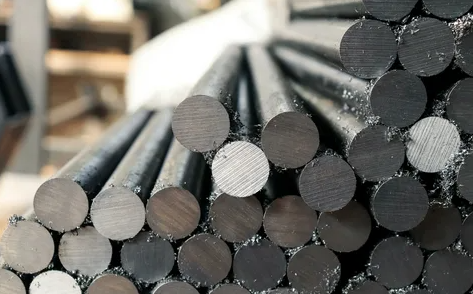
Against this background, on December 12, the Ministry of Commerce of China (MOC) and the General Administration of Customs of China (GACC) jointly announced new export rules for the implementation of export quotas for 300 steel products, covering cast iron, scrap, semi-finished steel, flat steel, bars, long steel, wire rod, steel pipes, etc., entering into force. effective from January 1, 2026. This means that export quotas will apply to more steel products, whereas previously a number of products were not on this list.
Items 1-32: pig iron, ferroalloys, scrap and semi-finished steel products.
Items 33-224: hot-rolled/cold-rolled flat steel in rolls or sheets, bars, profiles and wire products.
Items 225-300: Steel rails, seamless/welded steel pipes and pipe fittings
This step signals that China's export policy is officially shifting from "unlimited exports" to a new stage of "active regulation and licensing management."
Basis of application: Enterprises must apply an export quota with an export contract and a "Product Quality Control Certificate" issued by manufacturers.
China's "extraordinary" intervention is not just an export restriction, according to Chinese officials. According to official statements, it is designed to ensure the stability of the internal supply chain, while pushing the industry to switch to high-quality, environmentally friendly production and systematically hedging potential international trade disputes.
Imposing restrictions on the export of raw materials can protect domestic supplies and ensure cost stability, according to official statements. An increase in the hidden costs of primary products can push industrial transformation. Meanwhile, this step may direct investments towards high-quality products. Moreover, control over export volumes can reduce dumping at low prices, which will avoid anti-dumping and countervailing investigations and gain more leverage in trade negotiations. Strengthening scrap steel management can reduce dependence on imported iron ore and ensure the resource security of the steel industry.
In




There are no comments yet.