

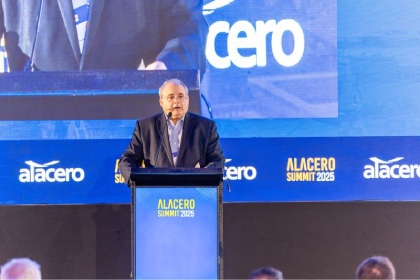
Speaking at the Alacero 2025 Summit, John lichtenstein, managing partner of World Steel Dynamics, analyzed how China's steel exports are increasingly shifting from direct shipments to indirect exports embedded in manufactured goods.
Indirect steel exports have exceeded direct exports every year since 2017, according to liechtenstein. The shift follows a surge in direct Chinese steel exports in 2014-15, which sparked global concerns about overcapacity and subsidies and became a priority item on the G7 agenda in Tokyo. Subsequent political pressure led to a decline in direct exports and a rapid expansion in indirect flows.
Automotive becomes a key sector
From an industry perspective, automotive products stand out as the fastest growing destination for indirect steel exports in China. The auto industry's share of China's indirect steel exports increased from 9% to 19%, while the share of "everyone else," typically lower-cost steel products, fell from 59% to 37%.
This shift confirms that China is moving up the value chain in its indirect steel exports. Although official data for 2025 is not yet available, liechtenstein noted that the automotive share has likely already exceeded 20 percent and may be approaching 25 percent.
Exports of mechanical equipment have also expanded. While these higher value products may displace domestic equipment manufacturers and weaken




There are no comments yet.