

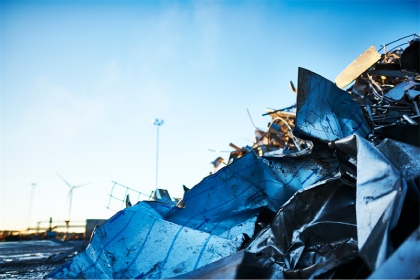
From January 2026, CBAM is designed to ensure that imported carbon-intensive goods face carbon costs equivalent to those borne by EU producers, thereby preventing carbon leakage.
Long-standing commitment to climate regulation
Outokumpu has emphasized that it is subject to the EU Emissions Trading System (ETS) for more than two decades now. The company became the first steel producer to commit to achieving the climate target agreed to 1.5°C, with the aim of reducing emissions by 42 percent by 2030 compared to 2016 levels. As a result of sustained investment and technological progress, Outokumpu said its stainless steel already has a 75 percent lower carbon footprint than the industry average.
Support for the key elements of the Commission's proposal
Outokumpu expressed support for several main components of the CBAM Commission's proposal. These include the extension of CBAM to selected processed goods, the introduction of certain anti-circumvention measures, and the creation of a Temporary Decarbonization Fund aimed at solving export-related problems.
While the company is considering the inclusion of steel-intensive products as a step in



There are no comments yet.