

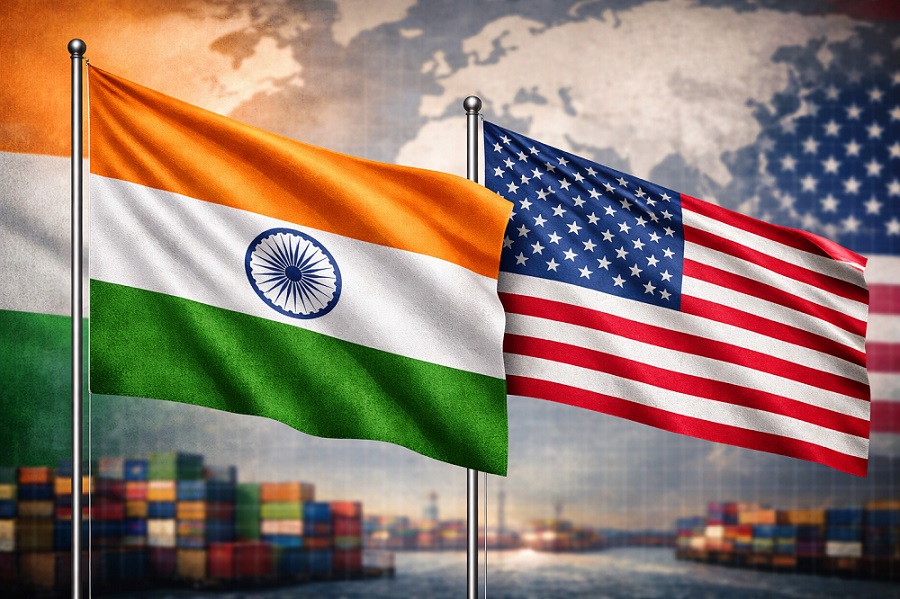
US President Donald Trump announced on February 3 that India and the US had reached an agreement on a new trade deal after a telephone conversation with Indian Prime Minister Narendra Modi. However, neither Government has yet issued an official joint statement or detailed documentation, leaving the main elements of the proposed agreement unclear.
According to preliminary information disseminated after Trump's post on social media, India is expected to remove tariffs and non-tariff barriers on U.
S. goods, while U.
S. tariffs on Indian exports may be reduced to 18 percent from the previous level of 25 percent. These details, however, have not been officially confirmed by the Indian government.
In his social media response, Modi welcomed the announcement, saying, "Made in India products will now have an 18 percent reduced tariff," and thanked Trump on behalf of India's 1.4 billion citizens. Despite these public statements, both sides have so far refrained from publishing the scope, structure, or legal framework of the agreement.
The context of the trade deal is tariffs, the Russian oil issue and earlier tensions
The development comes after a period of heightened trade friction. In August 2025, the United States increased import duties on Indian goods from 25 to 50 percent, citing the fact that India continues to buy Russian crude oil at a discount, indirectly supporting Moscow's military efforts in Ukraine. Subsequently, India became one of the




There are no comments yet.